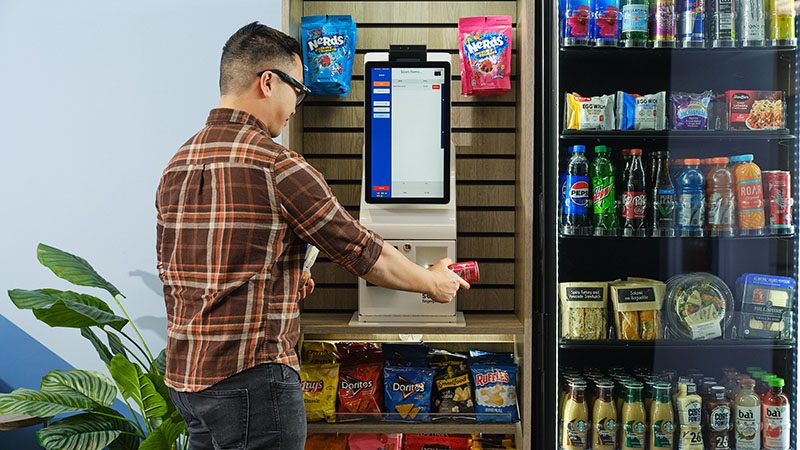
An Open Break-Room Market
Office Micro Markets in Houston
Explore a micro market for your office. Request a Site Review
An Open Break-Room Market
Explore a micro market for your office. Request a Site Review
An office micro market turns part of the break room into a self-service food and beverage area where employees can browse products more freely than they can through a traditional vending machine. For Houston workplaces with enough daily traffic, a micro market can create a more flexible experience with snacks, drinks, fresh items, and convenient meal choices in one place.
The right micro market depends on available space, employee count, operating schedule, workplace access, and expected purchasing volume. We help companies think through those details before deciding whether a market is the right fit.
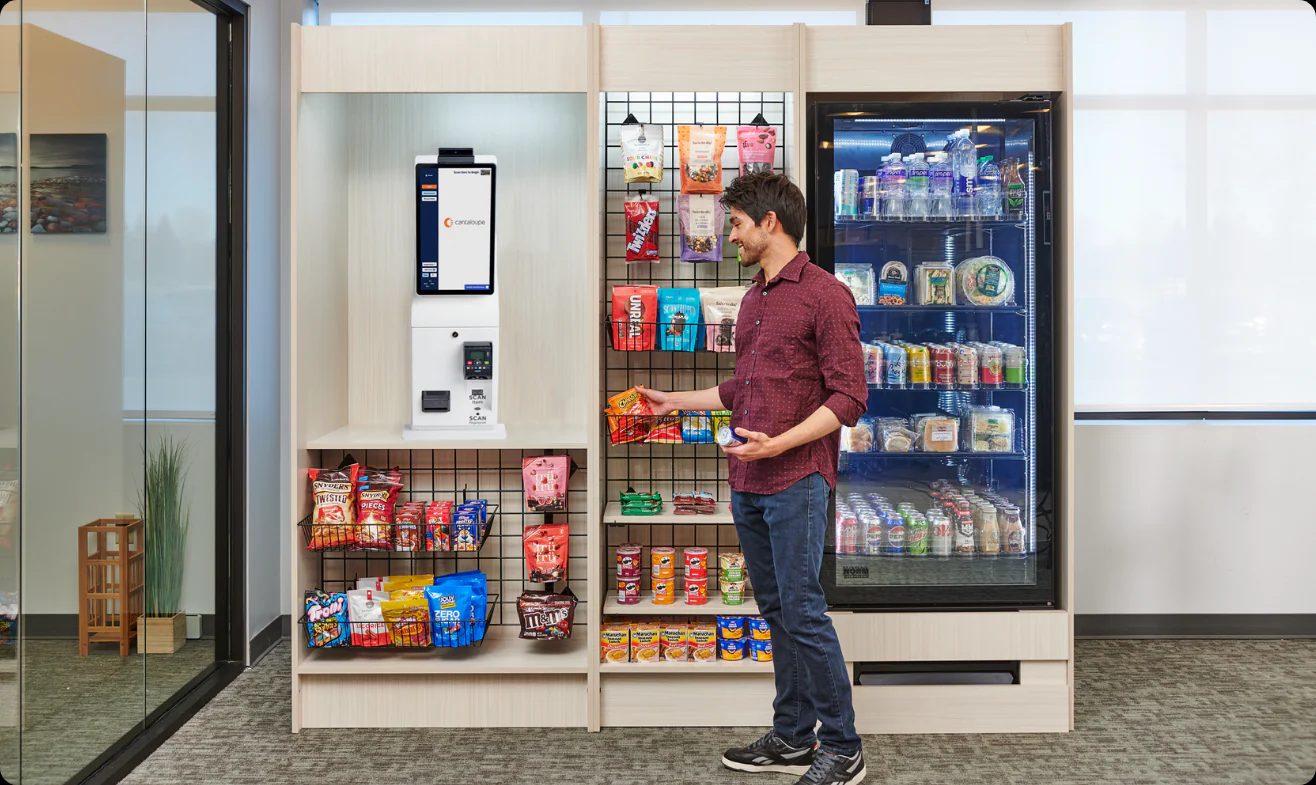
A micro market is not simply a larger vending machine. It uses open shelving, refrigerated storage, and a self-checkout format to give employees easier access to a broader assortment. That flexibility makes space planning important. We consider walking paths, refrigeration needs, product display space, employee traffic, and the overall feel of the break room.
Because a micro market is open-format, it can support a wider mix of packaged snacks, drinks, fresh food, breakfast items, grab-and-go meals, and healthier choices. The exact assortment depends on the workplace and product availability.
Micro markets generally make the most sense when a location has enough regular usage to support the added assortment and equipment. We review expected participation instead of assuming every office needs the same solution.
Open shelving makes it easier for employees to see and compare snack choices before buying. It can also support a broader range of package sizes and products than many traditional vending configurations. We can plan the assortment around everyday favorites, lighter choices, bars, chips, sweets, and other items that make sense for the workplace.
Coolers can expand the beverage assortment beyond what fits comfortably in a single vending machine. Depending on the program, employees may have access to water, carbonated drinks, energy beverages, juices, and other cold options. Available products can change, and the mix can be adjusted as purchasing patterns become clearer.
A micro market can create room for convenient breakfast and lunch choices for employees who prefer to stay on site. Fresh-food availability depends on the service plan, workplace demand, and practical stocking requirements. For offices with limited nearby food access or employees working through busy schedules, this can make the break room more useful.
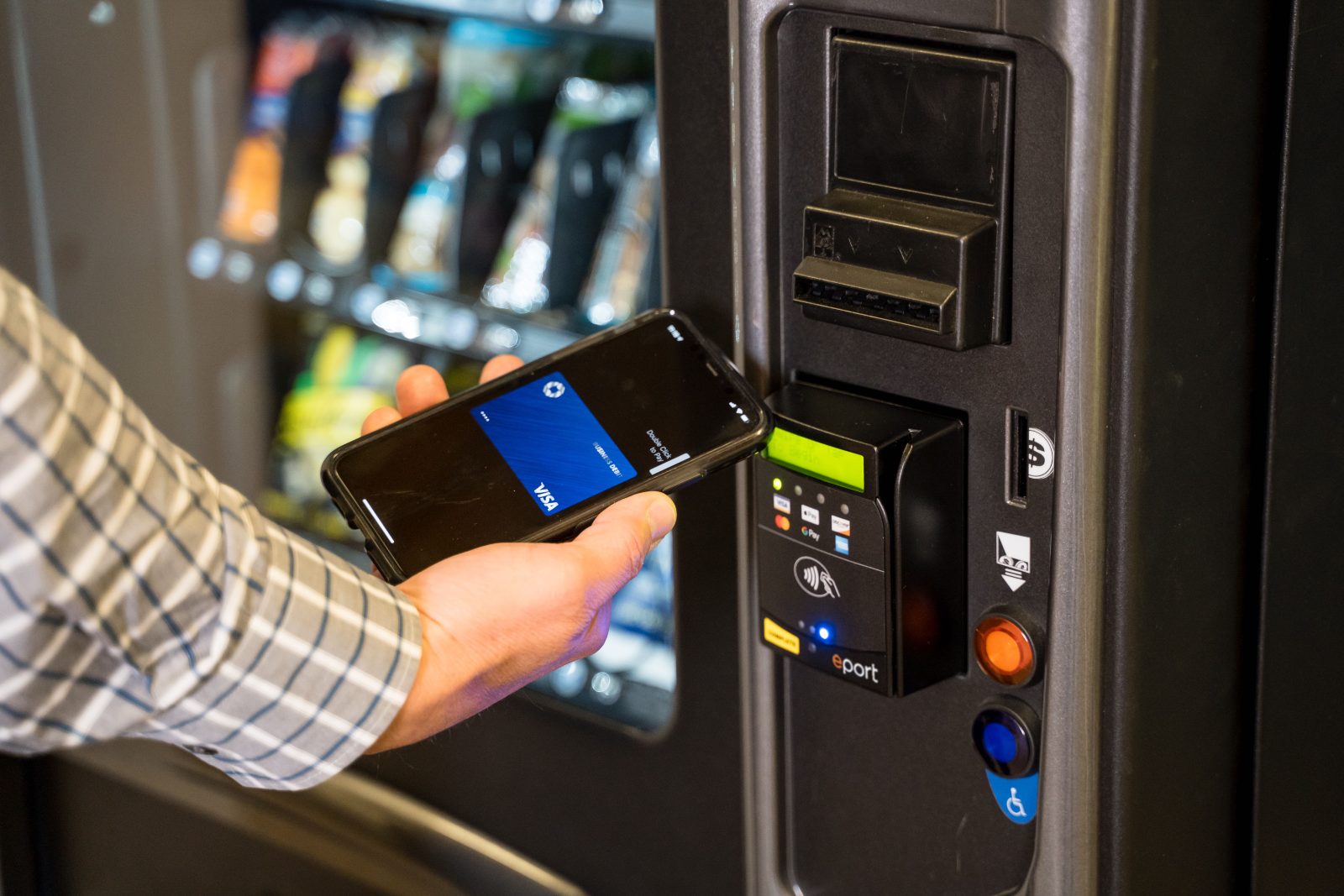
A micro market uses a self-service purchasing format so employees can select products and complete their purchase without a staffed counter. The exact payment setup depends on the equipment and program design. We explain the proposed checkout approach during planning so the workplace understands how employees will use the market.
| Service | Typical Cost | Average |
|---|---|---|
| Micro market setup | Custom based on equipment and site volume | Varies by workplace |
| Employee purchases | Paid per item | Varies by product |
| Employer subsidy | Optional custom budget | Based on participation |
Micro-market feasibility and pricing depend on headcount, access, expected sales volume, equipment, product mix, and the amount of employer subsidy, if any.
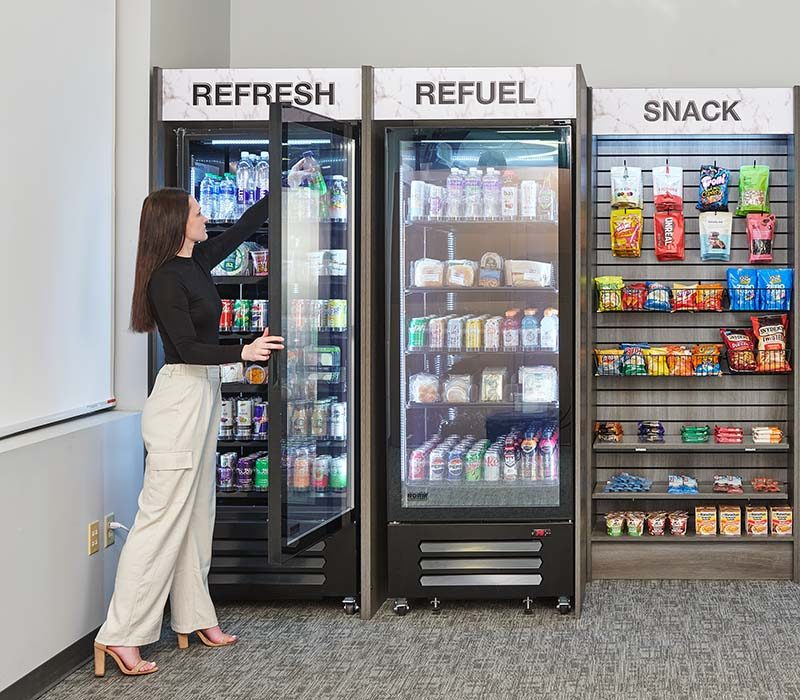
We look at how employees move through the break room before discussing shelving, coolers, and checkout placement.
Micro markets can support snacks, beverages, fresh food, and healthier items in one program.
We assess whether expected usage supports a micro market rather than treating it as the default answer.
Programs can be discussed for offices, larger administrative workplaces, and other Houston-area employee environments.
If your Houston workplace needs more variety than traditional vending provides, ask us about a micro-market setup.
Free — no obligations
We learn how many people regularly use the location and when the workplace is busiest.
We look at usable floor and wall space, traffic flow, power, refrigeration needs, and access.
We discuss snacks, drinks, fresh food, healthier choices, and any employer-funded options.
Actual usage helps guide product adjustments after the market begins operating.